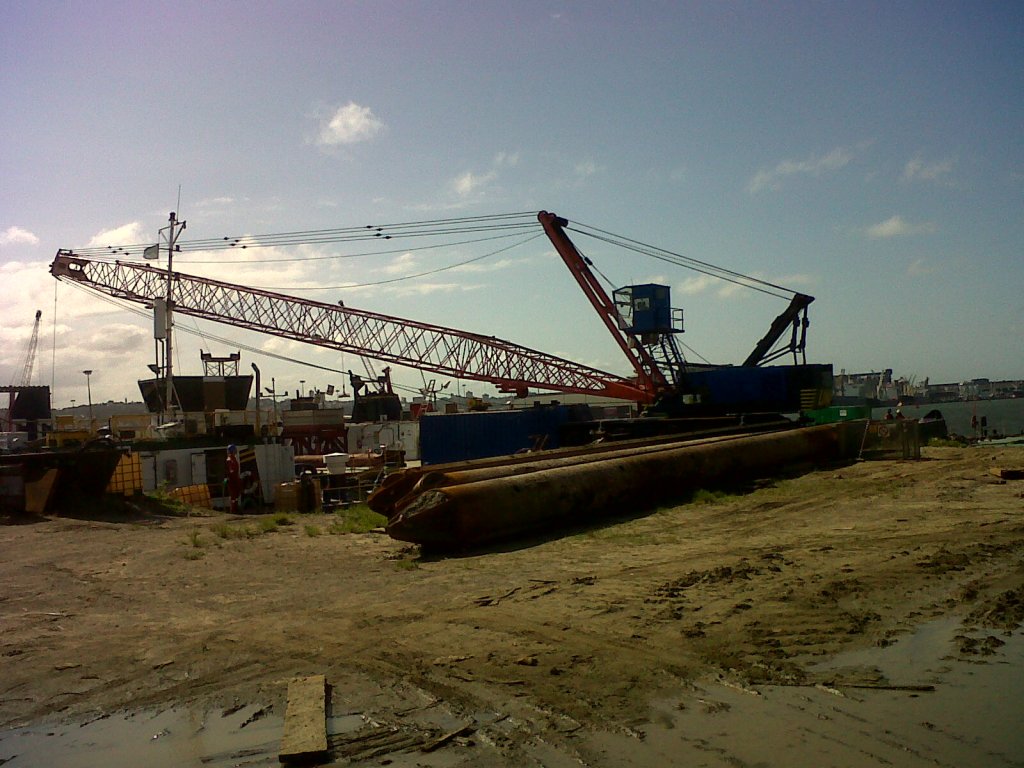
We offer thorough LOLER (Lifting Operations and Lifting Equipment Regulations) inspections to ensure your lifting equipment meets all safety and legal standards. With over two decades of experience, we conduct meticulous inspections across a wide range of lifting machinery, helping you maintain compliance and secure a safe working environment.
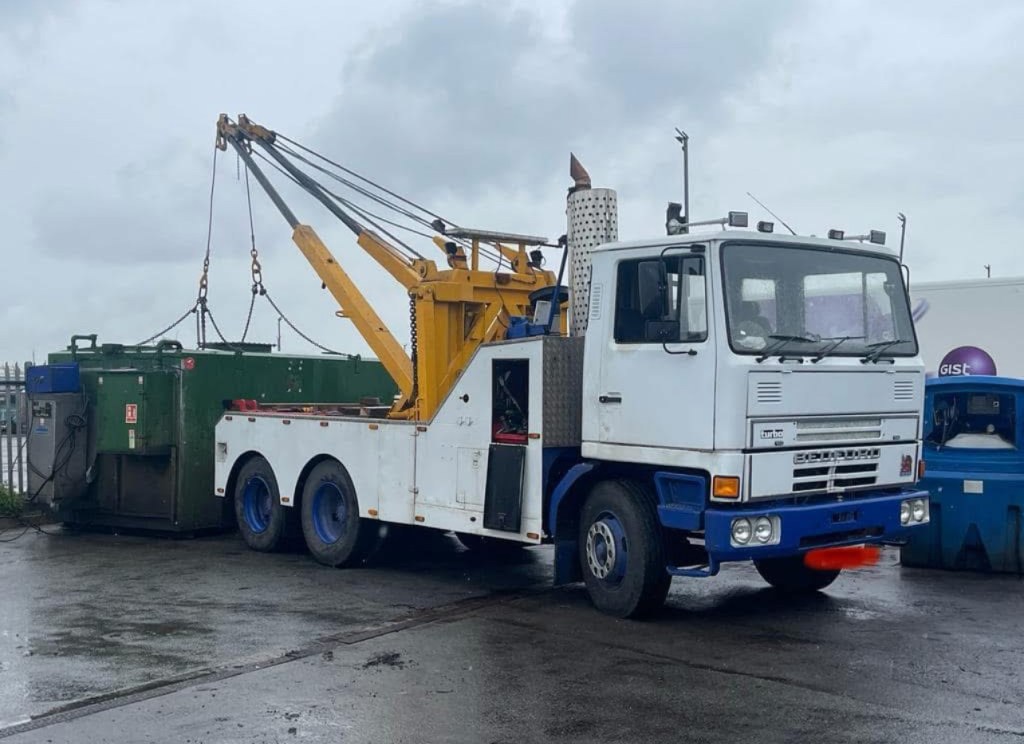
Scope of Equipment Inspected:
We provide LOLER inspections for the following equipment:
- Mobile Cranes
- Forklifts
- Telehandlers
- Overhead Cranes
- Tower Cranes
- Hoists
- Lifting Slings and Chains
- Winches
- Scissor Lifts
- Pallet Trucks
Our inspections cover all critical aspects of each equipment type, ensuring they are fit for use and free from any defects that could pose a safety risk.
UK Law on LOLER:
Under UK law, the LOLER 1998 regulations require that all lifting equipment used in the workplace is subject to regular, thorough inspections by a competent person. This legislation mandates that employers must ensure all lifting operations are properly planned, supervised, and carried out in a safe manner. Equipment must be inspected at intervals no greater than 12 months (or every 6 months for equipment lifting people), and any equipment found to be defective must be withdrawn from service immediately. Compliance with LOLER not only ensures legal adherence but also significantly reduces the risk of accidents and enhances workplace safety.
Detailed Overview of LOLER Regulations
The Lifting Operations and Lifting Equipment Regulations (LOLER) 1998 are part of the UK’s Health and Safety at Work Act, designed to ensure that lifting equipment is used safely in workplaces. Here are some key points of the law:
- Scope and Application:
- LOLER applies to all employers, the self-employed, and anyone who controls or manages lifting equipment.
- It covers a wide range of equipment used for lifting and lowering loads, including cranes, forklifts, hoists, and lifting accessories like slings, hooks, and chains.
- Requirements for Equipment:
- Thorough Examination: All lifting equipment must be thoroughly examined by a competent person at regular intervals, typically every 12 months, or every 6 months for equipment used for lifting people.
- Competent Person: The person conducting the examination must have the necessary knowledge, experience, and independence to make impartial judgments about the safety of the equipment.
- Record Keeping: Employers must keep records of all LOLER inspections and examinations. These records should detail the condition of the equipment, any defects found, and the date of the next inspection.
- Safe Use: Equipment must be strong, stable, and suitable for the intended use. Employers are required to ensure that all lifting operations are properly planned and carried out by trained and competent personnel.
- Marking of Equipment:
- All lifting equipment must be clearly marked with its Safe Working Load (SWL), which is the maximum load it can safely lift. If the equipment is designed for lifting people, it must be marked as such.
- Reporting Defects:
- Any defects identified during an examination that pose a significant risk must be reported immediately to the responsible person, and the equipment should be taken out of service until it is repaired or replaced.
- Responsibilities of Employers:
- Employers have a legal duty to ensure that all lifting equipment is properly maintained, inspected, and used safely. This includes providing appropriate training for all employees who operate lifting equipment.
- Employers must also conduct risk assessments to identify potential hazards associated with lifting operations and take steps to mitigate these risks.
- Penalties for Non-Compliance:
- Failure to comply with LOLER can result in enforcement action from the Health and Safety Executive (HSE), including fines, prosecution, and even imprisonment in severe cases where negligence has led to serious injury or death.
- Integration with Other Regulations:
- LOLER works alongside other regulations, such as the Provision and Use of Work Equipment Regulations (PUWER) 1998, which also governs the use of work equipment in the UK. Together, these laws create a comprehensive framework for workplace safety related to lifting operations.
Conclusion:
LOLER is essential for ensuring that lifting equipment is used safely and that lifting operations are carried out without putting workers at risk. Compliance with these regulations is not just a legal requirement but a crucial part of maintaining a safe and efficient workplace. Regular inspections, proper maintenance, and thorough training are all vital components of adhering to LOLER and protecting both your employees and your business.
https://www.googletagmanager.com/gtag/js?id=AW-16692081701
window.dataLayer = window.dataLayer || [];
function gtag(){dataLayer.push(arguments);}
gtag(‘js’, new Date());
gtag(‘config’, ‘AW-16692081701’);
 LOLER LOADTEST INSPECTIONS